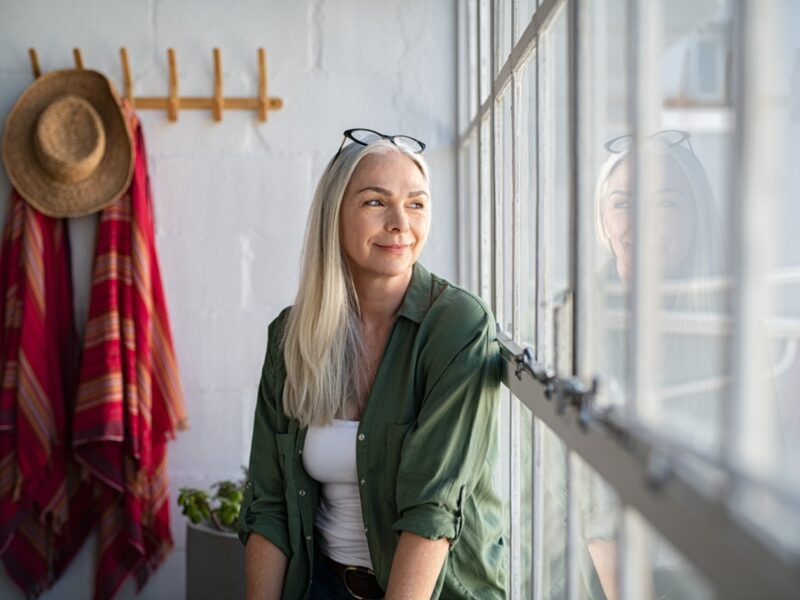

It just keeps getting better, doesn’t it? You know, it’s amazing how life can keep surprising us, even in retirement. Just the other day, a client shared some fantastic news. She had set some ambitious goals a little over a year ago when she crafted her initial retirement life design. Her career was in IT, where she was always on a learning curve, whether it was mastering new technologies or teaching others. Learning wasn’t just fun for her; it was a core value. Well, guess what? She published her first children’s book on Amazon and proudly promotes it on her self-care website (website development was also a first). How cool is that?
So, why is it so important to continue learning in retirement? After all, you’ve accomplished so much already. You have a wealth of life experience and wisdom to share. And if you’re not working much, what’s the point? Well, lifelong learning, particularly as it relates to brain health, is incredibly valuable.
You see, brain health has many aspects which are well articulated by the NIH: cognitive health (thinking, learning, remembering, problem solving, decision making), motor function (balance and control of body movement), emotional function (how you respond to all types of feelings), tactile function (responses to touch, pressure, pain, temperature), and sensory function (sight, hearing, taste, smell). The health of those functions can influence how long we live independently. True, genetic factors are at play but so are environmental and lifestyle factors which we control.
So, how can we support brain health over time?
- Develop new knowledge and skills with intention
Whether researching approaches to refinish an end table, enrolling in a French class for the river cruise next year, or getting creative in the arts (think music, dance, theater, painting, and the like), there are plenty of inperson and online resources to stretch your mind and strengthen capabilities. Plus, you can learn from others by doing. Pursuing and applying new knowledge and skills can boost innovation and focus and you might even discover a new hobby in the process.
- Dive deeply into reading and writing
Pick up a magazine or great mystery novel you never had time to read before. Find some like-minded individuals and form a book club to foster lively, engaging debate. Like reading, writing requires mental effort and concentration. So, write an article for the local paper, your memoirs, short stories, a novel, a children’s book, or a text on your professional expertise. Think of it as an opportunity to get your creative juices flowing and promote brain health while leaving a legacy.
- Get social and stay connected
Attend informal meetups or volunteer locally. For example, in Concord this past April, many locals volunteered for the series of events on Patriots Day. Help seniors get to their medical appointments or receive their daily meals. Or do something for a cause you feel passionate about, like the environment, by joining a beekeeping association. Whether your community involvement is inperson or virtual, the meaningful connections you make across the generations provide countless opportunities for mental stimulation, collaboration, and a sense of belonging.
- Prioritize your physical health
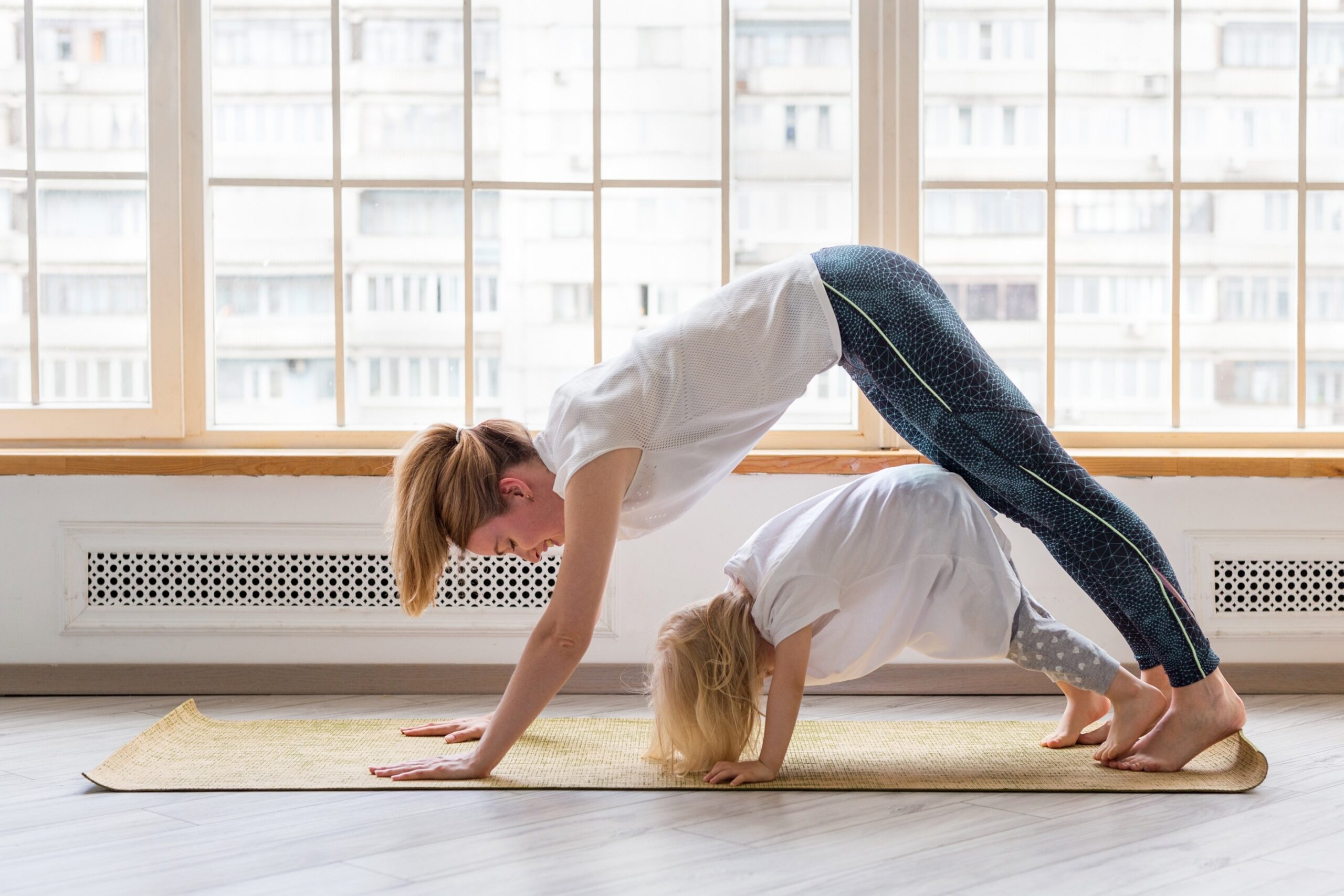
Research suggests a strong connection between physical and mental health. You know the drill: regular exercise, including those that promote balance to reduce the risk of falling, nutrition and diet, sleep, limited alcohol consumption, smoking cessation, getting preventive health screenings, and proactively managing chronic conditions and medications. They will energize you, improve strength and balance, prevent or slow disease, reduce stress, and improve your mood and mental outlook.
Back to my client, she had never envisioned herself as a website developer and children’s book author in retirement. Yet by tapping into a wide range of activities that promote brain health she found the meaning and joy it brought her and others to be intoxicating. So, keep that curiosity radar going to maintain mental sharpness!
Cause4Pause: Now take a few moments to think about your own retirement. What will you do to promote brain health?
Answering this question will help you make lifestyle choices that may extend your independent living and promote longevity. Think it! Commit to it! Do it!
Carol Bergeron guides people through major life transitions with a focus on self-reflection, visualization, and collaboration. She helps clients adapt to personal and professional changes, especially when shaping modern retirement lifestyles, which involve emotional, social, lifestyle, and health-related shifts converging all at once.
Learn more about navigating life’s transitions by:
- exploring upcoming small group coaching programs: https://www.eventbrite.com/e/6-session-retirement-life-design-program-registration-1458536615279?aff=odcleoeventsincollection (our next program begins Oct 27th)
- subscribing to Carol’s Transition Touchpoints newsletter on LinkedIn: https://www.linkedin.com/newsletters/transition-touchpoints-7342996223898923008
© Copyright 2025 Bergeron Associates. All rights reserved.