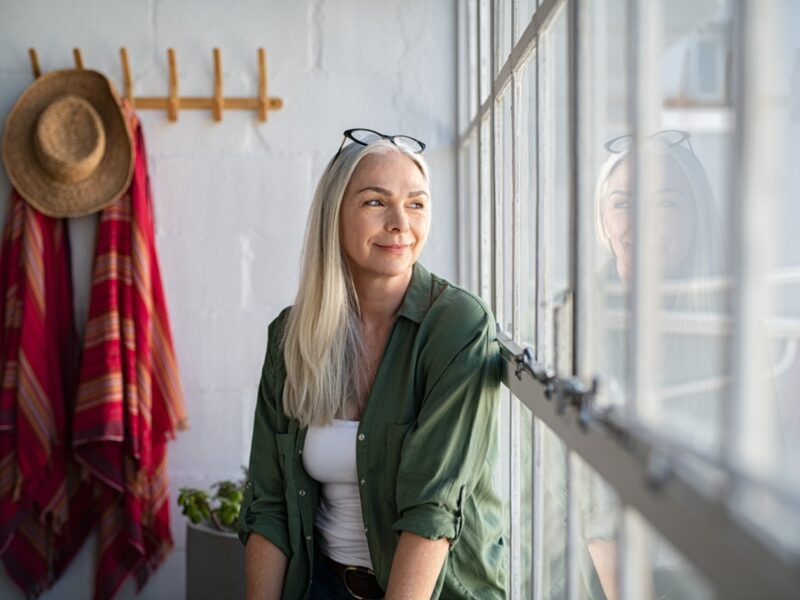

When people talk about the initial “honeymoon” phase of new retirees, what comes to mind? For many new retirees, this phase is all about newfound freedom to do all those things they’ve never had time for. It’s fun, exhilarating, liberating, and so well deserved.
Many people dream of extensive travel. Others mix in local past times like beach walking, sailing, golfing, or hiking. How about taking up new hobbies like mosaics or furniture refinishing – or revisiting old ones like fishing or watercolor painting? Or maybe it’s spending more time with family and friends who have also retired. And what about leisurely enjoying a great cup of coffee while reading the newspaper or a good book as part of a new morning ritual? The possibilities are endless and reinvigorating.
In a 2024 Retirement Happiness Study, which compares pre-retirees’ expectations vs. retirees’ actual experiences, MassMutual revealed:
- Pre-retirees plan to spend their retirement traveling (79%), exercising (71%), and spending time with family & friends (71%).
- The happiest retirees are more likely to engage in interactive and social activities, including spending time with family & friends (76% v 58% less happy retirees), exercising (70% vs. 47% less happy retirees), pursuing hobbies (63% vs. 44% less happy retirees), and travel (62% vs. 44% less happy retirees).
In making room for newfound activities, what likely gets left behind? You’ll no longer wake up to that annoying alarm clock. That daily two-hour work commute will vanish into thin air. Working, whether it be leading people, building and managing budgets and headcounts, navigating program schedules, or solving major customer or technical problems – will no longer be in your bailiwick. Gone will be many structured, predictable activities – both good and bad – even if you go the semi-retirement route.
When that kind of structure, that’s been part of your life for decades, is removed or significantly reduced – what happens? Well, some people will easily adapt, creating new routines through retirement life design.
Others may object to structure initially, having lived by it for so long. And still others find adapting difficult. Their routines have been tied to something bigger than themselves, most likely an organization or employer. Without benefit of an overall game plan, it would be easy to drift into passive activities like watching a lot of TV (as reported by 83% of all retirees in the same study) or continually organizing things at home. These activities lack social interaction, a key to happiness for extroverts and introverts alike.
Takeaways: Routine brings stability, purpose, and empowerment over one’s day. It pairs well with free time carved out for relaxation. And ensuring interactive activities are in the mix, all add to our happiness.
Cause4Pause: Now take a few moments to think about your own retirement. What mix of activities excite you? How will you structure your days?
Answering these questions will help in crafting the strategic plan for YOU! You dream it up! You live it! You adjust it! You are in charge!
Carol Bergeron guides people through major life transitions with a focus on self-reflection, visualization, and collaboration. She helps clients adapt to personal and professional changes, especially when shaping modern retirement lifestyles, which involve emotional, social, lifestyle, and health-related shifts converging all at once.
Learn more about navigating life’s transitions; explore upcoming small group coaching programs: https://www.eventbrite.com/o/bergeron-associates-13715940172#collections
© Copyright 2025 Bergeron Associates. All rights reserved.